What Is a SOC and Does Your Ontario Business Need One?
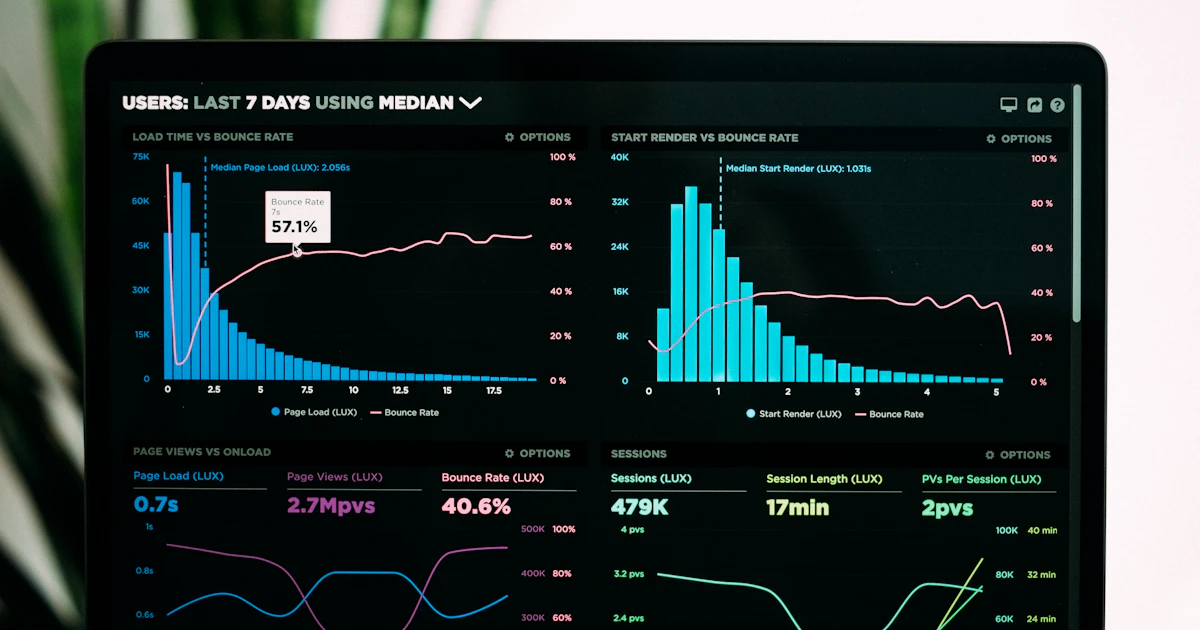
Picture this: it’s 2am on a Tuesday, and someone halfway around the world is quietly exfiltrating customer data from your accounting software. No alarm goes off. No one’s watching. By the time your team arrives at the office in Mississauga, the damage is done — and you won’t know it for days. This is exactly the scenario a Security Operations Centre (SOC) is designed to prevent. But for a business with 20 employees, does a SOC even make sense?
The answer is no longer a flat “no” — and for many Ontario SMBs in 2026, it’s increasingly becoming a serious conversation worth having.
What Is a Security Operations Centre?
A Security Operations Centre is a combination of people, processes, and technology focused on one thing: monitoring your IT environment around the clock and responding when something goes wrong. In a large organisation, it might mean a dedicated room full of analysts watching live security dashboards. In the modern era, it’s most commonly delivered as a cloud-based managed service.
The SOC’s job never stops. It watches every login attempt, every file access, every piece of outbound network traffic — looking for patterns that suggest an attack is underway or imminent. When something suspicious surfaces, analysts investigate and respond, ideally stopping threats before they cause meaningful damage to your business.
How a SOC Differs From Your Existing Security Tools
Most Ontario small businesses have some security in place — antivirus software, a firewall, perhaps multi-factor authentication on their Microsoft 365 accounts. That’s a reasonable starting point. But there’s a significant gap: those tools generate alerts, and without someone monitoring them continuously, those alerts go unanswered.
Research indicates organisations receive thousands of security alerts per day, with a large proportion going uninvestigated simply due to volume. For an SMB without dedicated security staff, even a handful of unanswered alerts can mean a missed intrusion that quietly grows into a serious incident.
A SOC closes that gap. Think of your antivirus as a smoke detector — useful, but only effective if someone’s home to respond when it goes off. The SOC is the fire station. It doesn’t replace your existing tools; it makes them count.
Why This Matters for Ontario Businesses Right Now
Canada is a high-value target, and the numbers have become difficult to ignore. The 2026 Cybersecurity Canada Report found that 86.5% of Canadian organisations experienced at least one cyberattack in the past 12 months. The average cost of a data breach in Canada now sits at $6.98 million CAD — and even for smaller businesses, a single incident can mean hundreds of thousands in downtime, recovery costs, and reputational damage.
Ransomware alone now appears in 88% of breaches affecting small businesses. Cybercriminals have long since stopped targeting only large corporations; automated attack tools make it just as profitable to target a 15-person accounting firm in Etobicoke as a financial institution downtown.
Ontario businesses also operate under regulatory obligations — PIPEDA at the federal level, and PHIPA for organisations handling health information — both of which carry breach notification requirements. Businesses with continuous monitoring in place are in a far stronger position when regulators or insurers come asking questions after an incident.
In-House SOC vs. SOC as a Service
For most of their history, SOCs were the domain of banks, hospitals, and government agencies — organisations that could justify $1.5 million or more per year to staff a 24/7 security team. For a small business, it simply wasn’t realistic.
That’s changed considerably. SOC as a Service (SOCaaS) allows Ontario SMBs to access enterprise-grade monitoring for a predictable monthly fee. Managed SOC services typically start at around $10–$20 per monitored device per month. For a business with 25 endpoints, that’s roughly $250–$500 monthly — comparable to a business phone plan, and a fraction of the liability exposure you’re managing.
What you get for that: 24/7 monitoring of your devices, network, and cloud services; AI-assisted threat detection with human analyst oversight; documented incident response when a threat is confirmed; and regular reporting on your security posture. It’s not a watered-down version of enterprise security — it’s the same model, scaled and priced appropriately for a business your size.

Signs Your Business May Be Ready for SOC-Level Monitoring
Not every business needs managed SOC monitoring today, and a trustworthy IT partner won’t oversell it to you. But certain factors shift the calculation significantly.
If your business stores sensitive client data — personal financial records, legal files, health information — you’re a meaningful target regardless of your size. If your team works remotely or relies heavily on cloud platforms like Microsoft 365 or Google Workspace, your attack surface has expanded. And if you’re in a regulated industry, having documented continuous monitoring can be the difference between a manageable incident and a costly compliance failure.
Cyber insurers are also increasingly asking applicants whether 24/7 monitoring is in place — and businesses that have it often pay meaningfully lower premiums. If you’ve already invested in endpoint protection and cybersecurity tools, managed SOC is the logical complement: the monitoring layer that gives your existing security investments real teeth.
What Getting Started Looks Like
Engaging a managed SOC through your managed IT provider typically involves connecting your devices, cloud platforms, and network equipment to a SIEM (Security Information and Event Management) platform — a centralised system that logs and correlates activity across your entire IT environment. From that point forward, everything is visible and logged.
An employee’s credentials used from Mississauga at 9am and from an overseas IP address at 9:05am? Flagged automatically. A device suddenly communicating with a known malicious server? Caught and investigated. An unusual data export at 11pm on a Friday? Escalated for review before it becomes a crisis.
The goal isn’t to create constant anxiety about threats — it’s to give your business the visibility and response capability to act quickly when something real happens, before a minor incident becomes an expensive and embarrassing headline.
If you’d like to understand where your current security posture stands before making any decisions, a free IT assessment is the right place to start. And if you want to talk through whether managed security monitoring makes sense for your specific business in the GTA, reach out to the WiseTech team — we work exclusively with Ontario small and medium businesses and will recommend only what you genuinely need.
Related Posts
Published by WiseTech Team
July 24, 2026
Have Questions About Your Business IT?
Book a free assessment with WiseTech — personalised advice for your Mississauga business, no obligation.
Book Your Free Assessment